What Smart Contracts Actually Do
Why it’s important to choose a secure crypto wallet?
Lorem ipsum dolor sit amet, consectetur adipiscing elit lobortis arcu enim urna adipiscing praesent velit viverra sit semper lorem eu cursus vel hendrerit elementum morbi curabitur etiam nibh justo, lorem aliquet donec sed sit mi dignissim at ante massa mattis.
- Neque sodales ut etiam sit amet nisl purus non tellus orci ac auctor
- Adipiscing elit ut aliquam purus sit amet viverra suspendisse potent i
- Mauris commodo quis imperdiet massa tincidunt nunc pulvinar
- Adipiscing elit ut aliquam purus sit amet viverra suspendisse potenti
How do I know how secure is my wallet?
Vitae congue eu consequat ac felis placerat vestibulum lectus mauris ultrices cursus sit amet dictum sit amet justo donec enim diam porttitor lacus luctus accumsan tortor posuere praesent tristique magna sit amet purus gravida quis blandit turpis.

Are there any other risks I should take account for?
At risus viverra adipiscing at in tellus integer feugiat nisl pretium fusce id velit ut tortor sagittis orci a scelerisque purus semper eget at lectus urna duis convallis. porta nibh venenatis cras sed felis eget neque laoreet suspendisse interdum consectetur libero id faucibus nisl donec pretium vulputate sapien nec sagittis aliquam nunc lobortis mattis aliquam faucibus purus in.
- Neque sodales ut etiam sit amet nisl purus non tellus orci ac auctor
- Adipiscing elit ut aliquam purus sit amet viverra suspendisse potenti
- Mauris commodo quis imperdiet massa tincidunt nunc pulvinar
- Adipiscing elit ut aliquam purus sit amet viverra suspendisse potenti
“Nisi quis eleifend quam adipiscing vitae aliquet bibendum enim facilisis gravida neque velit euismod in pellentesque massa placerat”
Wrapping up: Crypto is a great wallet for you
Eget lorem dolor sed viverra ipsum nunc aliquet bibendum felis donec et odio pellentesque diam volutpat commodo sed egestas aliquam sem fringilla ut morbi tincidunt augue interdum velit euismod eu tincidunt tortor aliquam nulla facilisi aenean sed adipiscing diam donec adipiscing ut lectus arcu bibendum at varius vel pharetra nibh venenatis cras sed felis eget.
What Smart Contracts Actually Do
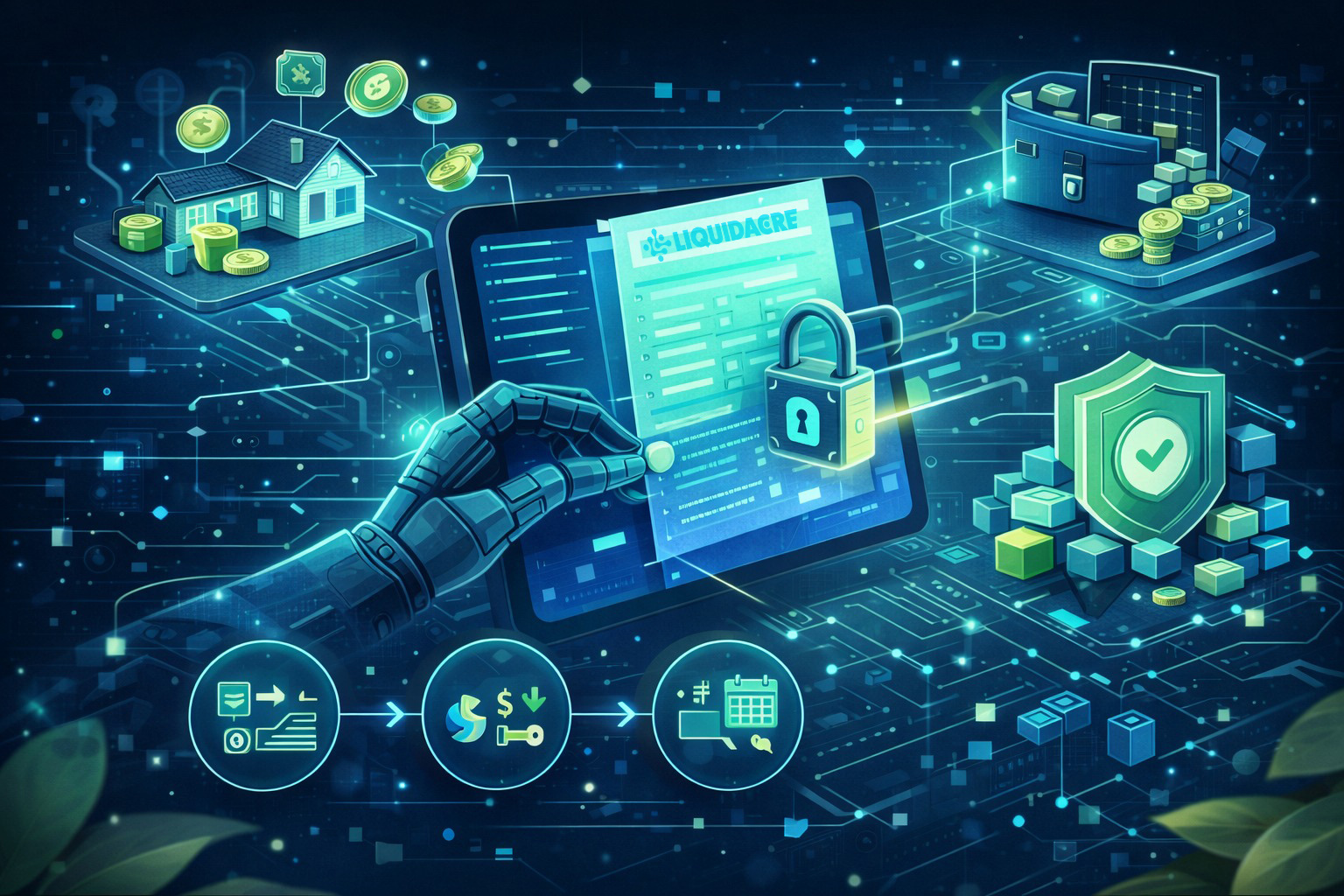
Smart contracts are programs that run on blockchain networks and are designed to execute predefined instructions when certain conditions are met. In many blockchain systems, these programs can automatically carry out actions such as recording transactions, updating digital records, or coordinating transfers according to their programmed logic. Because the same contract code is typically executed across multiple computers within the network, participants can review how the rules operate and verify how outcomes are recorded on the shared ledger.
Smart contracts are often used in systems that support tokenization and fractional ownership structures. In these contexts, they may help define what digital tokens represent, track ownership shares recorded within the system, and coordinate actions such as updating ownership records or distributing certain forms of digital payments based on predefined rules. These tools are frequently discussed as components of digital infrastructure designed to support modern blockchain-based applications and digital asset systems.
What Is A Smart Contract?
Smart contracts are pieces of software that automatically execute rules when predetermined conditions are met. Rather than relying on a person to manually approve every step, the code follows instructions that are built into the system ahead of time. This makes them useful for processes that benefit from consistency, speed, and automated recordkeeping.
The idea behind a smart contract is similar to a regular contract in that both establish rules and obligations. The difference is that smart contracts are written in code and deployed on a blockchain or similar distributed system. Once deployed, the program can operate according to its logic without needing constant manual intervention.
Smart contracts can support a wide range of digital activities. For example, they may be used to transfer tokens, distribute payments, record ownership changes, or trigger workflows when certain conditions are satisfied. Because their behavior is encoded in software, they can also be inspected and tested before use.
In blockchain environments, smart contracts are often linked to transactions recorded on a shared ledger. That means participants can review what the contract was designed to do and observe the results it produces. This transparency is one of the reasons smart contracts are frequently discussed as a foundational part of blockchain infrastructure.
How Do Smart Contracts Execute Automatically Without Intermediaries?
Smart contracts execute automatically because the blockchain network runs their code whenever the required conditions are met. If the instructions are written correctly, the contract can perform an action without waiting for a bank, broker, or administrator to manually approve it. This helps reduce delays that may occur in traditional systems.
When a triggering event occurs, the network checks the contract’s logic and carries out the programmed action. For example, if the contract is designed to release a payment after a delivery is confirmed, it can do so once the predefined condition is satisfied. In this way, the code acts like an automated set of rules that keeps the process moving.
Because smart contracts run on distributed blockchain networks, their results are recorded across multiple nodes rather than in a single private database. This can make it easier for participants to verify whether the contract behaved as expected. However, it also means the contract’s code must be written carefully, since errors in the logic can affect how it behaves on the network.
Some observers view smart contracts as a way to reduce dependence on intermediaries for certain digital transactions. Others note that they do not eliminate the need for legal agreements, oversight, or human judgment in every case. Instead, smart contracts automate specific steps within a larger system that may still involve contracts, compliance requirements, or governance rules.
Why Are Smart Contracts Important In Tokenization And Ownership Records?
Smart contracts are often important in tokenization because they can define how digital assets behave after they are created. For example, a tokenized asset may need rules for transferring ownership, distributing proceeds, or restricting transfers to certain participants. Smart contracts can encode those rules directly into the system.
In fractional ownership models, smart contracts may help track each participant’s share and manage how those shares move between wallets or accounts. This can make the system more structured and easier to manage than a purely manual process. The contract can also help enforce rules about who may buy, sell, or receive a token under the platform’s design.
Smart contracts may also support ownership records by coordinating updates to shared ledgers. When ownership changes, the contract can record the change and distribute any necessary information across the network. This can help reduce ambiguity around who holds what, at least within the limits of the platform and legal framework involved.
In broader discussions about blockchain-based finance, smart contracts are often described as a bridge between code and economic activity. They give digital systems a way to follow instructions automatically while keeping records visible to network participants. That combination of automation and transparency is one reason they remain central to discussions about digital assets, tokenization, and future financial infrastructure.