How Do Blockchains Work?
Why it’s important to choose a secure crypto wallet?
Lorem ipsum dolor sit amet, consectetur adipiscing elit lobortis arcu enim urna adipiscing praesent velit viverra sit semper lorem eu cursus vel hendrerit elementum morbi curabitur etiam nibh justo, lorem aliquet donec sed sit mi dignissim at ante massa mattis.
- Neque sodales ut etiam sit amet nisl purus non tellus orci ac auctor
- Adipiscing elit ut aliquam purus sit amet viverra suspendisse potent i
- Mauris commodo quis imperdiet massa tincidunt nunc pulvinar
- Adipiscing elit ut aliquam purus sit amet viverra suspendisse potenti
How do I know how secure is my wallet?
Vitae congue eu consequat ac felis placerat vestibulum lectus mauris ultrices cursus sit amet dictum sit amet justo donec enim diam porttitor lacus luctus accumsan tortor posuere praesent tristique magna sit amet purus gravida quis blandit turpis.

Are there any other risks I should take account for?
At risus viverra adipiscing at in tellus integer feugiat nisl pretium fusce id velit ut tortor sagittis orci a scelerisque purus semper eget at lectus urna duis convallis. porta nibh venenatis cras sed felis eget neque laoreet suspendisse interdum consectetur libero id faucibus nisl donec pretium vulputate sapien nec sagittis aliquam nunc lobortis mattis aliquam faucibus purus in.
- Neque sodales ut etiam sit amet nisl purus non tellus orci ac auctor
- Adipiscing elit ut aliquam purus sit amet viverra suspendisse potenti
- Mauris commodo quis imperdiet massa tincidunt nunc pulvinar
- Adipiscing elit ut aliquam purus sit amet viverra suspendisse potenti
“Nisi quis eleifend quam adipiscing vitae aliquet bibendum enim facilisis gravida neque velit euismod in pellentesque massa placerat”
Wrapping up: Crypto is a great wallet for you
Eget lorem dolor sed viverra ipsum nunc aliquet bibendum felis donec et odio pellentesque diam volutpat commodo sed egestas aliquam sem fringilla ut morbi tincidunt augue interdum velit euismod eu tincidunt tortor aliquam nulla facilisi aenean sed adipiscing diam donec adipiscing ut lectus arcu bibendum at varius vel pharetra nibh venenatis cras sed felis eget.
How Do Blockchains Work?
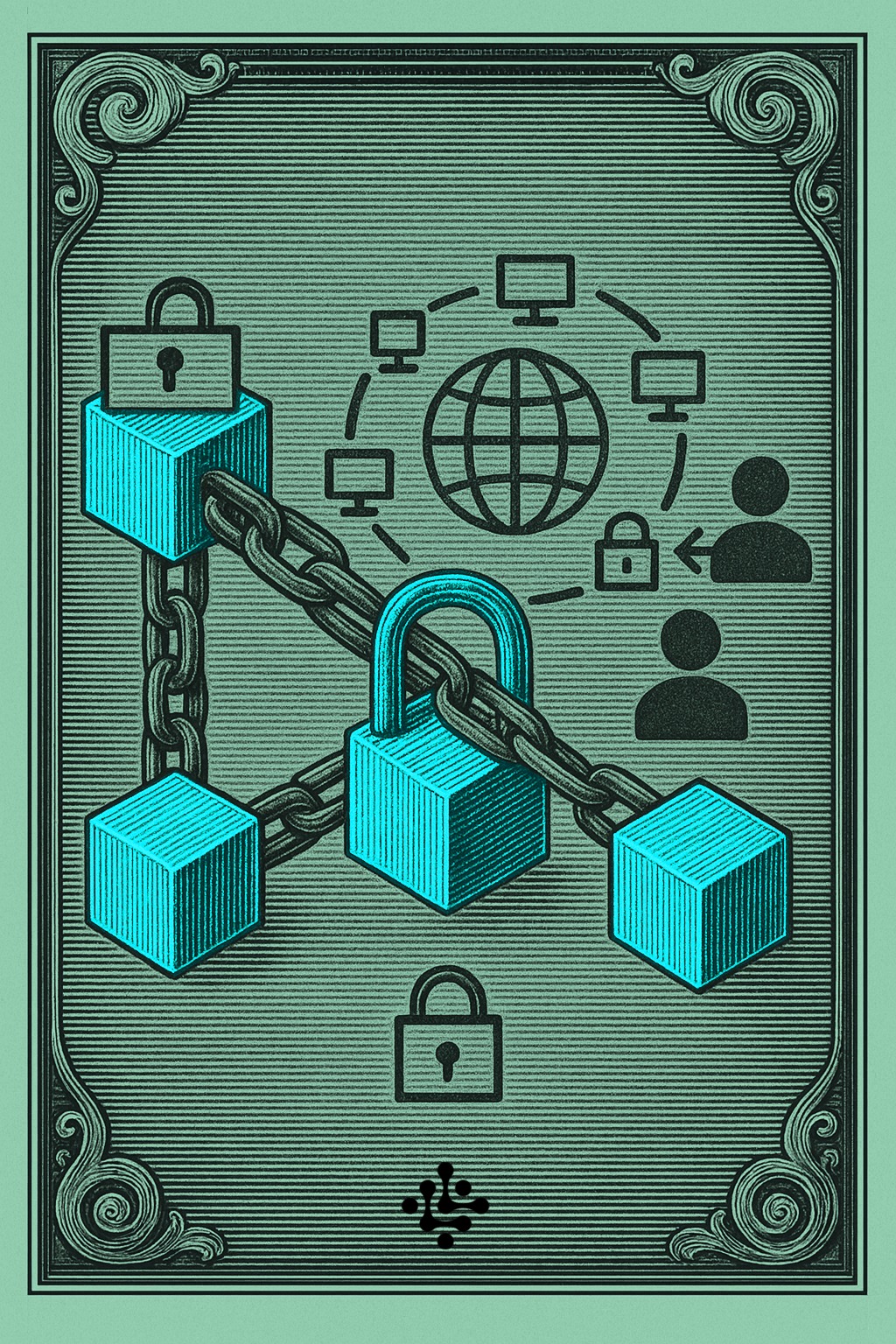
A blockchain is a system for recording information in digital blocks that are connected together in sequence. Each block contains data that is secured using cryptographic methods and linked to the previous block, forming a chain of records. In many blockchain systems, multiple computers across a network maintain copies of the same ledger and follow shared rules to verify transactions before adding them to the chain. Supporters of this design suggest that distributing records across many participants can make unauthorized changes more difficult. Public blockchains often allow participants to view transaction histories, though identifying information is typically represented by digital addresses rather than personal names.
What’s Going On Behind The Scenes?
A blockchain records information in groups called blocks. Each block typically contains a list of transactions, such as transfers of digital assets between participants. When a block reaches a certain size or number of transactions, it is secured using cryptographic techniques. These cryptographic methods generate a unique digital fingerprint, often called a hash, that helps indicate whether the data in the block has been altered.
After a block is verified, it is connected to the previous block, forming a chronological chain of records. Because each block contains cryptographic references to earlier blocks, altering earlier entries would generally require modifying multiple parts of the chain across many computers in the network.
Blockchain networks are maintained by computers known as nodes. Each node stores a copy of the blockchain and participates in validating new transactions according to the network’s protocol rules. When a new transaction is submitted, nodes evaluate whether it follows the system’s rules—such as whether the digital assets being transferred appear to be available to the sender.
Adding a new block to the blockchain involves a process called consensus. Consensus mechanisms help network participants agree on which transactions should be recorded next. Different blockchain networks use different methods to reach consensus. For example, Bitcoin uses a mechanism known as Proof-of-Work (PoW), where specialized computers compete to solve cryptographic puzzles to propose new blocks. Other networks use mechanisms such as Proof-of-Stake (PoS), where the ability to participate in validation may depend on the amount of digital assets a participant holds or commits to the network.
Once blocks are confirmed and added to the chain, modifying earlier records becomes technically difficult because changes would need to be reflected across many copies of the ledger. Supporters of blockchain systems often highlight this characteristic as one reason the technology is considered useful for maintaining shared records.
How Does A Blockchain Record Financial Data & Ensure Transparency?
Blockchain systems can store financial transaction records across distributed networks rather than relying on a single centralized database. In many blockchain networks, copies of the ledger are stored across multiple computers, which can make unauthorized changes more difficult compared with systems that rely on a single server.
Cryptographic techniques are also used to help authorize transactions. In most blockchain systems, digital wallets use cryptographic keys to sign and approve transfers of digital assets. Possession of a wallet’s private key typically determines who can authorize transactions from that wallet address. As a result, users are generally responsible for managing and protecting access to their keys.
Before transactions are recorded on the blockchain, they are typically validated by nodes according to the network’s consensus rules. For example, nodes may check whether the sender appears to control the digital assets they are attempting to transfer and whether the transaction follows the protocol rules designed to prevent duplicate spending.
Public blockchain networks often provide a transaction history that participants can review. Instead of displaying personal identities, these systems generally record transfers between digital addresses. This characteristic is sometimes described as pseudonymity because addresses can be viewed publicly while the identities behind them may not be directly visible.
Because each block references earlier blocks, altering past transactions generally becomes increasingly difficult as additional blocks are added to the chain. Supporters of blockchain systems often point to this structure as a way to maintain consistent transaction records across distributed networks.
Why Are Blockchains Used for Digital Currency & Assets?
Blockchain systems are frequently discussed in relation to digital currencies and other digital assets because they provide a method for recording transfers without relying on a single centralized ledger. In decentralized blockchain networks, transaction records are shared across many participants who follow the same verification rules.
Some blockchain networks are designed to confirm transactions more quickly than certain traditional banking processes, particularly for transfers that occur across international financial systems. However, confirmation speed can vary depending on the design of the blockchain network, transaction fees, and network congestion.
Blockchains also record ownership transfers of digital assets through entries in the ledger. When a participant holds a digital asset, control of the associated wallet and cryptographic keys generally determines the ability to authorize transfers. In this model, individuals may manage their own wallets or use services that help store and manage digital assets.
Another feature often associated with blockchain systems is the ability to run programs known as smart contracts. Smart contracts are pieces of software that automatically execute predefined instructions when certain conditions are met. These programs can be used to automate processes such as transferring digital tokens or updating records within a blockchain system.
Researchers, regulators, and industry participants continue examining how blockchain networks interact with existing financial infrastructure. Discussions often focus on how distributed ledgers, digital assets, and programmable transactions could operate within evolving regulatory and technical environments.